
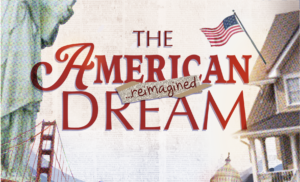
For generations, the American Dream was straightforward: secure an excellent job, buy a home, support a family, and retire comfortably. Today, that definition is changing. Economic uncertainty, rising living costs, changing workforce expectations, and evolving family structures have led many workers to rethink what success truly means. The modern American Dream is less about accumulating wealth and more about achieving stability, flexibility, purpose, and well-being. As employees redefine their aspirations, employers have a unique opportunity to become partners in helping workers achieve this new vision. Employees are no longer looking solely for a paycheck. They want career opportunities that provide purpose, growth, and personal fulfillment.
The New American Dream
Today’s workforce increasingly measures success through four interconnected pillars:
- Meaningful employment
- Financial wellness
- Personal and economic security
- Strong family and community connections
Meaningful employment
Organizations that support these priorities do more than attract talent. They build loyalty, improve productivity, and strengthen their employer brand. When employees can envision a future within an organization, they are more likely to stay engaged and committed. Employers should consider opportunities that promote movement across departments and develop talent from within before hiring externally.
Financial wellness
Financial wellness is no longer a personal issue alone. It has become a workplace issue that directly affects productivity, absenteeism, and employee engagement. Employees who feel secure are more willing to innovate, collaborate, and perform at their highest level. Many employees work full-time yet continue to experience financial stress. Inflation, housing costs, childcare expenses, and student debt have altered the financial landscape. Employers can provide budgeting workshops, retirement planning, student loan assistance programs, emergency savings benefits, and childcare assistance.
Personal and Economic Security
Traditionally, job security meant long-term employment with one company. Today, security encompasses physical, emotional, digital, and financial well-being. Companies can train managers to spot signs of burnout, encourage employees to share ideas and concerns without fear, focus on outcomes rather than hours worked, and offer hybrid and remote work options when possible.
Strong Family and Community Connections
The greatest shift in the American Dream is the growing emphasis on family and quality of life. Employees increasingly seek employers who recognize that work is only one part of a fulfilling life. When organizations support employees’ family responsibilities, they help create healthier individuals, stronger families, and more resilient communities. Employers can offer family-friendly benefits, paid parental leave, adoption assistance, and eldercare resources.
Conclusion
Supporting employees in these four areas is not simply an altruistic endeavor but produces measurable organizational results such as lower turnover, improved productivity, stronger organizational culture, and enhanced employer reputation. The organizations that will thrive in the future are those that recognize employees are not merely workers. They are individuals seeking meaningful careers, financial stability, security, and strong family relationships.
The American Dream is not disappearing; it is evolving. Today’s dream is less centered on status and more focused on stability, purpose, flexibility, and well-being. Employers have a powerful role to play in making that dream attainable. Organizations that invest in meaningful work, financial wellness, security, and family support will not only create stronger workplaces but also help shape a more prosperous and inclusive future. In redefining the American Dream, employers are no longer just providers of jobs. They are architects of opportunity, stability, and hope.
https://dcjournal.com/restoring-the-american-dream-begins-with-recognizing-the-dignity-of-work/


