
by Dr. Di Ann Sanchez | Apr 9, 2016 | HR Trends, Human Resources, Talent Management
Cultural intelligence: an outsider’s seemingly natural ability to interpret someone’s unfamiliar and ambiguous gestures the way that person’s compatriots would (Earley & Mosakowski, 2004).
Companies also have cultures that are often distinctive. Employees learn how to decipher the cultural code of their company over time through historical stories, environmental clues, geographic regions, meetings, etc. Organizational departments can also have their unique culture as well.
“Cultural intelligence is related to emotional intelligence, but it picks up where emotional intelligence leaves off. A person with high emotional intelligence grasps what makes us human and at the same time what makes each of us different from one another. A person with high cultural intelligence can somehow comprehend a person’s or group’s behavior those features that would be true of all people and all groups, those peculiar to this person or this group, and those that are neither universal nor idiosyncratic (Earley & Masakowski, 2004)”. One critical element that cultural intelligence and emotional intelligence do share is, in psychologist Daniel Goleman’s words, “a propensity to suspend judgment—to think before acting.” People who are somewhat detached from their culture can more easily adopt the mores and even the body language of an unfamiliar host.

by Dr. Di Ann Sanchez | Apr 4, 2016 | HR Trends, Human Resources, Talent Management
Video recruiting is the 21st-century method during the hiring process at organizations. Video interviewing take two forms—live conversations between the recruiter or hiring manager and the candidate. Live interviews give hiring managers an opportunity to see and...

by Dr. Di Ann Sanchez | Mar 7, 2016 | Human Resources, Talent Management
Reference checking is an important step in the hiring process. Organizations that conduct reference checks should tailor questions to the job being filled for and ask open-ended questions. Supervisors of the applicant are the best sources for information on the candidate because of their past daily interaction. Human Resources will only give you information on the date of hire, date of termination and if the applicant is rehireable.
Common questions asked of references include:
- What were the individual’s job responsibilities and salary?
- Was the individual successful in his or her role at your organization? Why or why not?
- What was it like to supervise the person?
- Was the person a valuable member of the team? Why or why not?
- What unique skills did the individual bring to your organization?
- What were his or her strengths?
- What were his or her weaknesses or areas that needed improvement?
- Was the person ever disciplined, and what were the circumstances?
- Do you think the individual is suitable for the job being applied for?
- Why did the person leave your organization?
- Would you rehire the person? Why or why not?

by Dr. Di Ann Sanchez | Feb 12, 2016 | DAS HR Consulting Company News, HR Compliance, HR Trends, Human Resources
The Results Are In For 2016! Just in Time for Valentine’s Day. Vault conducts an office romance survey every year, and the results are always surprising. Only 6% of respondents believed that NO office romances were appropriate. Furthermore, co-workers have opinions...
by Dr. Di Ann Sanchez | Feb 1, 2016 | Human Resources, Talent Management
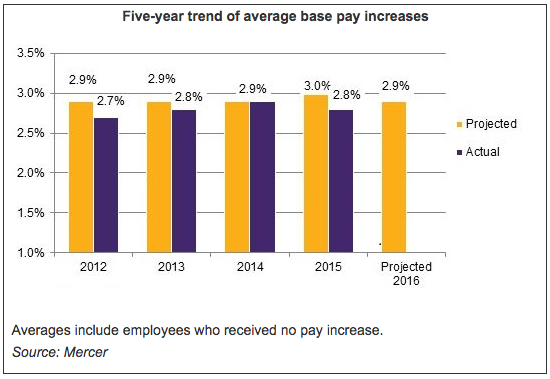
According to Mercer’s 2015/2016 U.S. Compensation Planning Survey, the average salary increase budget is expected to be 2.9 percent in 2016, up slightly from the average increase budget of 2.8 percent in 2015.
The survey includes responses from 1,504 midsize and large employers across the U.S. and reflects pay practices for more than 17 million employees.

by Dr. Di Ann Sanchez | Jan 3, 2016 | Human Resources
Small employers (those with fewer than 50 FTEs) with a self-insured health plan must complete and file Forms 1095-B (Health Coverage) and 1094-B (accompanying transmittal form) with the IRS, as well as provide employees—specifically, those who are taxpayers...