

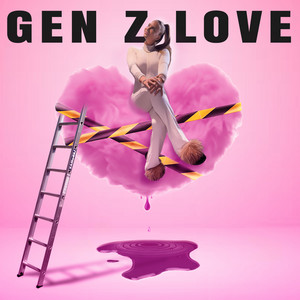
Gen Z’s Work Love Language: Situationships — Not Soulmates
February is traditionally the month of commitment—flowers, chocolates, and declarations of loyalty. Yet for Gen Z in the workplace, love looks very different. Their professional love language is not long-term devotion or corporate “till retirement do us part.” Instead, it is the situationship: flexible, low-commitment, values-driven, and easily exited when the relationship no longer serves their well-being. Recent workforce data confirms what many leaders are already experiencing firsthand: Gen Z workers are redefining the employer–employee relationship, treating jobs much like modern dating—temporary, exploratory, and contingent on mutual satisfaction in the moment.
Why Skills-Based Hiring Is Becoming a Strategic Imperative for Businesses!
s labor markets tighten, technology accelerates change, and roles evolve more quickly than ever, skills-based hiring has emerged as a critical strategy for companies seeking sustainable growth.
Beyond Compensation: What Really Drives Employee Retention!
Beyond Compensation: What Really Drives Employee Retention!

From Toxic to Terrific: How Managers Can Transform Difficult Employees
oxic behavior is often a symptom of deeper issues, such as stress, misalignment, lack of feedback, or even personal struggles.

Redistricting Your Organization: Reimagine Processes and Structures!
In an era marked by rapid technological advancements and shifting market dynamics, organizations must continually evolve to remain competitive. One of the most transformative strategies available today is organizational redistricting, a comprehensive...
Caught on camera: How the “Kiss Cam” highlights workplace romance risks!
The recent viral incident involving a tech CEO and an employee caught on a “kiss cam” at a Coldplay concert has underscored the complexities and potential pitfalls of workplace relationships, particularly those involving individuals in positions of power....
Unlocking Business Potential: The Elements of AI and the Impact!
Artificial Intelligence (AI) is no longer a futuristic concept—it’s a present-day powerhouse transforming how businesses operate, compete, and grow. From automating routine tasks to delivering deep insights through data analysis, AI encompasses a wide range of...
Generational Communication in the Workplace: Bridging the Gap for Better Collaboration
In today’s workforce, it’s not uncommon to find Baby Boomers, Gen Xers, Millennials, and Gen Z employees working side by side. This multigenerational environment brings diverse perspectives and introduces communication challenges affecting collaboration, productivity,...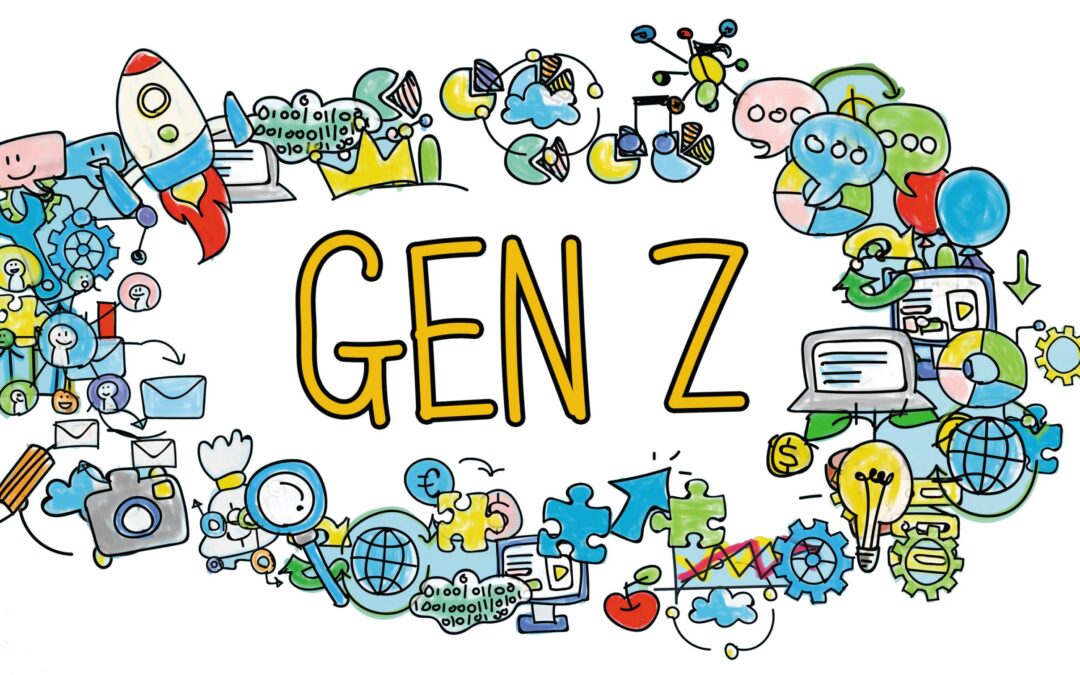
Generation Z: Shaping the Future of the Workplace
Generation Z, also known as Gen Z, iGeneration, or Zoomers, refers to individuals born between 1996 and 2012 (13 – 30 years old). his cohort is characterized by its unique upbringing in a digitally connected world, diverse backgrounds, and distinct values and attitudes towards work and life. Gen Z is poised to bring significant changes to the workplace as they enter the workforce.


