by Dr. Di Ann Sanchez | Aug 12, 2013 | HR Legislative Updates, Human Resources
On June 26, 2013, the U.S. Supreme Court, in United States v. Windsor, found that section 3 of the federal Defense of Marriage Act (DOMA) was unconstitutional. This section prohibited the federal government from acknowledging marriages between same-sex couples. Same-sex marriages were recognized as legal by 12 states and the District of Columbia at the time of the ruling.

by Dr. Di Ann Sanchez | Jul 29, 2013 | Human Resources, Talent Management
The 2013 Work Stress Survey, (Everest College, April 2013), found that 83 percent employees surveyed are stressed by at least one thing at work. That’s up 10 percentage points from the same survey released in 2012. Major stressors found in the survey: Pay For the...
by Dr. Di Ann Sanchez | Jul 22, 2013 | HR Compliance, HR Legislative Updates, Human Resources
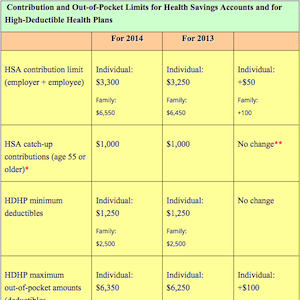
The Internal Revenue Service (IRS) announced higher limits for 2014 on contributions to health savings accounts (HSAs) and for out-of-pocket spending under high-deductible health plans (HDHPs) linked to them. A comparison of the 2014 and 2013 limits is shown below:...

by Dr. Di Ann Sanchez | Jul 15, 2013 | HR Compliance, HR Legislative Updates, Human Resources, Talent Management
Background/Credit Checks are covered by two federal laws: Title VII and the Federal Fair Credit Reporting Act (FCRA). Some states also have their own laws regarding the background/credit checks so employers need to understand the implications between the federal and...

by Dr. Di Ann Sanchez | Jul 8, 2013 | HR Compliance, HR Legislative Updates, Human Resources
Eighteen states and the District of Columbia have now legalized medical Marijuana use. The state laws vary greatly and present employer with a workplace nightmare! Employers and Human Resources professionals are finding themselves rewriting their employment policies...

by Dr. Di Ann Sanchez | Jul 1, 2013 | HR Compliance, HR Legislative Updates, Human Resources
On May 15, 2013, the Equal Employment Opportunity Commission (EEOC) provided specific types of reasonable accommodations for people with cancer, diabetes, epilepsy and intellectual disabilities. The EEOC also noted that since Congress enacted the ADA Amendments Act of...